Essential Guide to Choosing an Electric Bike
Electric bikes, or e-bikes, have surged in popularity over the past few years. They offer a unique blend of convenience, efficiency, and fun, making them an appealing option for commuters, recreational riders, and outdoor enthusiasts alike. However, with a myriad of options available, choosing the right electric bike can be overwhelming. This guide aims to simplify the process, helping you make an informed decision that suits your needs.
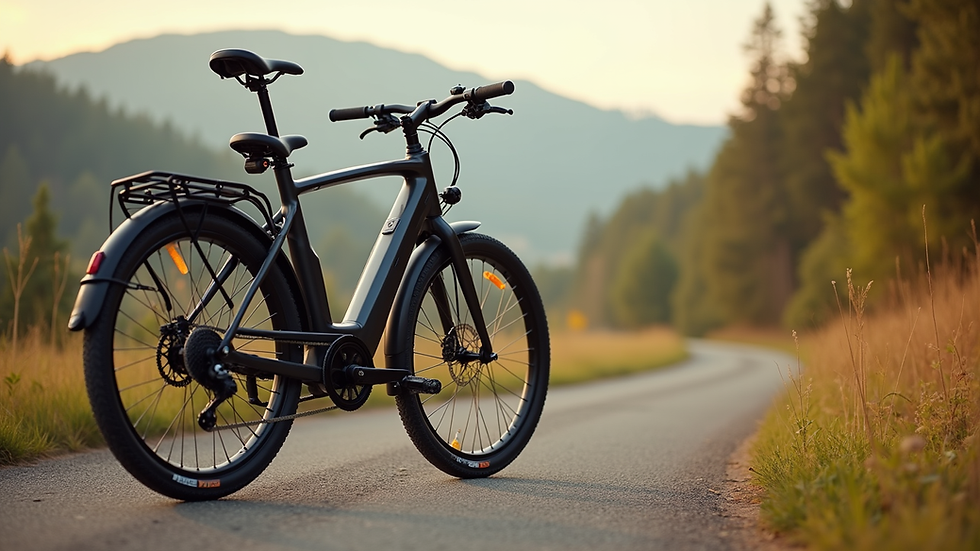
Understanding Electric Bikes
Before diving into the specifics of choosing an electric bike, it’s essential to understand what an e-bike is. An electric bike is a bicycle equipped with an electric motor that assists with pedaling. This assistance can make riding easier, especially on hills or during long distances.
Types of Electric Bikes
There are several types of electric bikes, each designed for different purposes:
City E-Bikes: Ideal for urban commuting, these bikes often feature a comfortable upright riding position, fenders, and lights.
Mountain E-Bikes: Built for off-road trails, these bikes come with robust frames, wider tires, and powerful motors to tackle steep terrains.
Folding E-Bikes: Perfect for those with limited storage space, folding e-bikes can be easily collapsed for transport or storage.
Cargo E-Bikes: Designed to carry heavy loads, these bikes have a sturdy frame and often come with racks or baskets.
Key Features to Consider
When selecting an electric bike, several key features should guide your decision:
Motor Power
The motor is the heart of an e-bike. It determines how much assistance you receive while pedaling. Motors are usually rated in watts, with common options ranging from 250W to 750W.
250W: Suitable for flat terrains and casual riding.
500W: Good for moderate hills and longer distances.
750W: Ideal for steep hills and heavy loads.
Battery Life
Battery capacity is crucial for determining how far you can ride on a single charge. Battery capacity is measured in watt-hours (Wh). A higher Wh rating typically means a longer range.
300Wh: Suitable for short commutes (up to 20 miles).
500Wh: Good for medium distances (20-40 miles).
750Wh and above: Ideal for long rides (40+ miles).
Weight
The weight of the bike can significantly affect your riding experience. Lighter bikes are easier to handle and transport, while heavier models may provide more stability. Consider your needs and how often you’ll need to lift or carry the bike.
Frame Material
The material of the bike frame impacts durability, weight, and ride quality. Common materials include:
Aluminum: Lightweight and rust-resistant, making it a popular choice.
Steel: Heavier but offers a comfortable ride and durability.
Carbon Fiber: Extremely lightweight and strong, but often more expensive.
Brakes
Brakes are a critical safety feature. E-bikes typically come with two types of brakes:
Disc Brakes: Provide better stopping power, especially in wet conditions.
Rim Brakes: Lighter and easier to maintain but may not perform as well in adverse weather.
Comfort and Fit
Finding the right fit is essential for a comfortable ride. Here are some tips to ensure you choose a bike that fits you well:
Test Ride: Always take a test ride to assess comfort and handling.
Adjustable Features: Look for adjustable seat heights and handlebars to customize your fit.
Geometry: Consider the bike’s geometry; a more relaxed geometry is better for comfort, while a sportier geometry may be better for performance.
Additional Features
Beyond the basics, consider these additional features that can enhance your riding experience:
Integrated Lights: Built-in lights improve visibility and safety.
Fenders: Protect you from mud and water, especially in wet conditions.
Pannier Racks: Useful for carrying groceries or other items.
Suspension: Front or full suspension can improve comfort on rough terrain.
Budget Considerations
Electric bikes come in a wide range of prices, typically starting around $600 and going up to $5,000 or more. Here’s a breakdown of what you can expect at different price points:
Entry-Level ($600 - $1,200): Basic models with limited features, suitable for casual riders.
Mid-Range ($1,200 - $2,500): Better components, longer battery life, and more features.
High-End ($2,500 and above): Premium materials, advanced technology, and superior performance.
Where to Buy
You can purchase electric bikes from various sources:
Local Bike Shops: Offer expert advice and the opportunity to test ride.
Online Retailers: Often have a broader selection and competitive prices, but may lack personalized service.
Second-Hand Market: Can be a cost-effective option, but ensure you check the bike’s condition and battery health.
Maintenance Tips
Proper maintenance can extend the life of your electric bike. Here are some essential maintenance tips:
Regular Cleaning: Keep your bike clean to prevent rust and wear.
Battery Care: Follow manufacturer guidelines for charging and storage.
Tire Pressure: Check tire pressure regularly for optimal performance.
Brake Inspection: Regularly inspect and adjust brakes for safety.
Conclusion
Choosing the right electric bike involves understanding your needs, considering key features, and setting a budget. By taking the time to research and test different models, you can find an e-bike that enhances your riding experience. Whether you’re commuting to work or exploring new trails, an electric bike can be a fantastic addition to your lifestyle.
Remember to take your time, weigh your options, and enjoy the journey of finding the perfect electric bike for you!


Comments